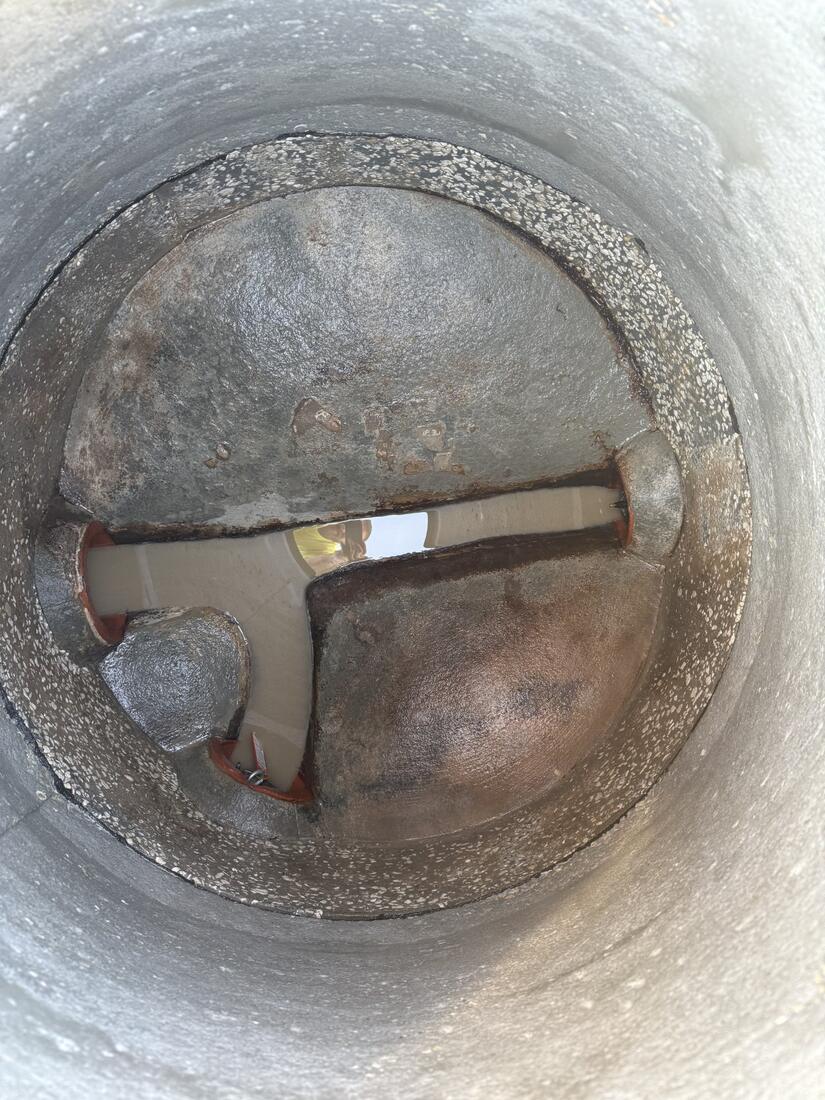
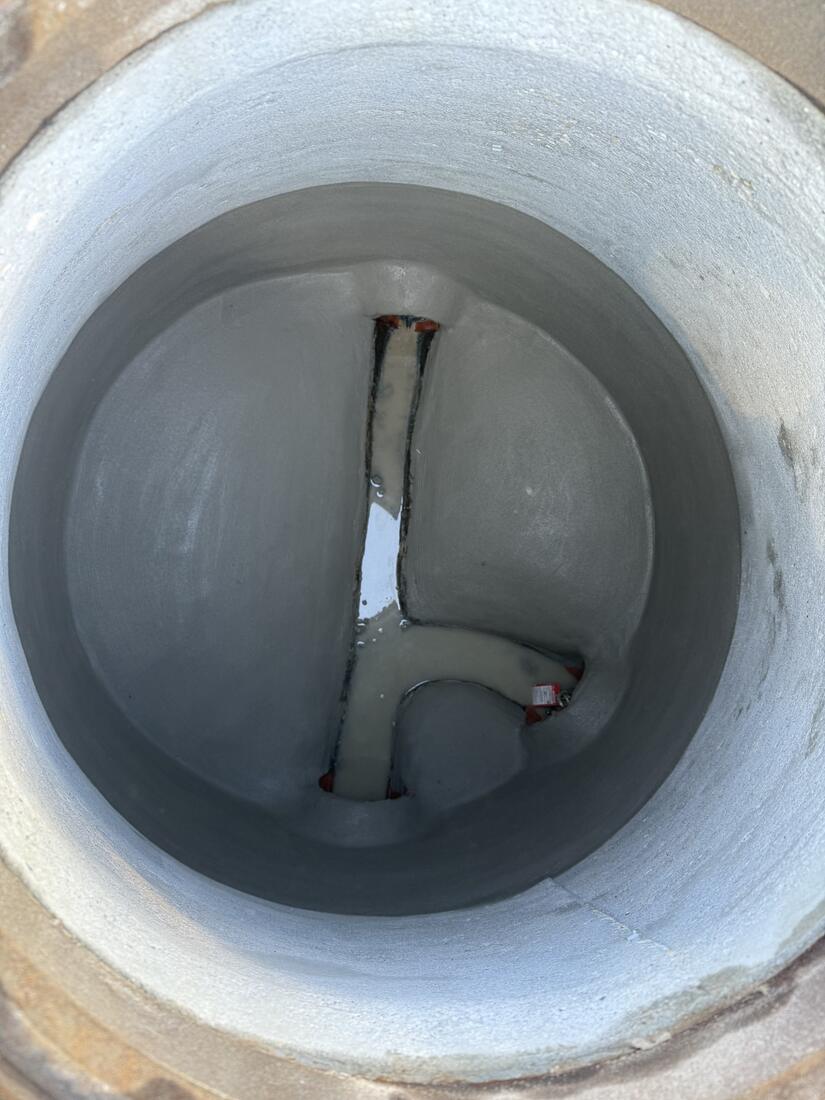
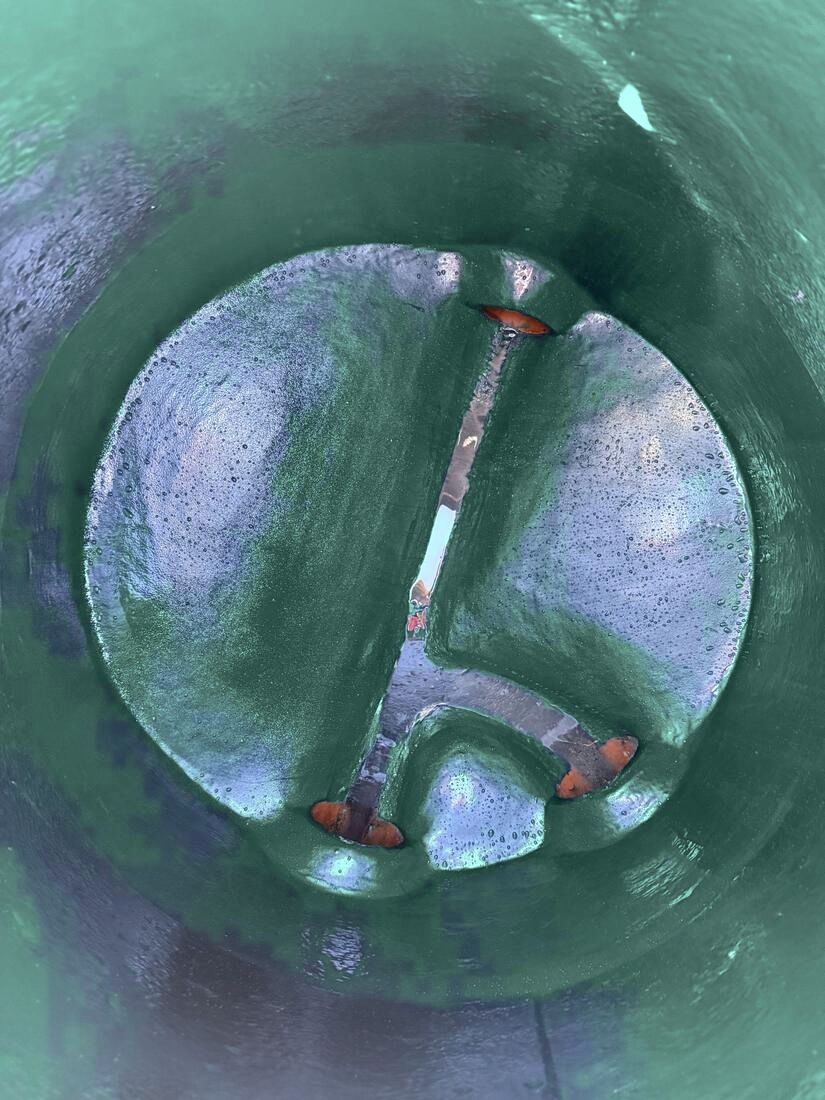
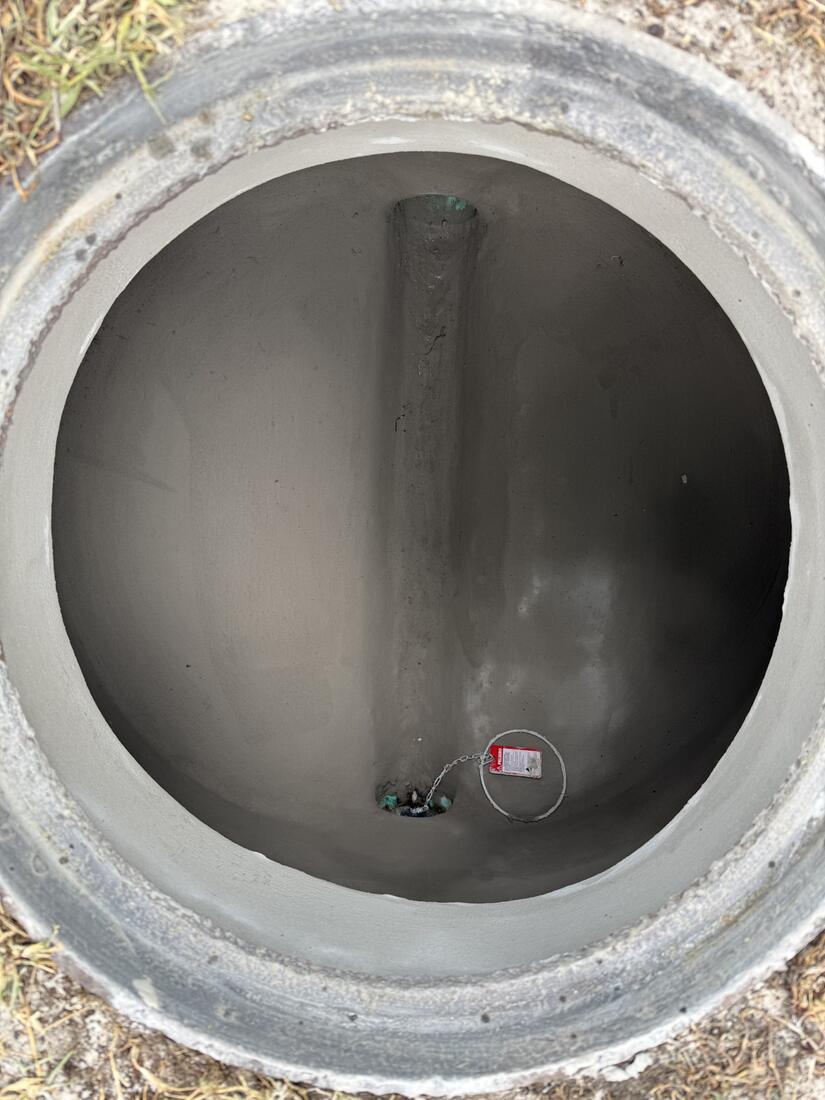
6 ft manhole
System 4100 CPA corroded bench and walls rebuilt with structural mortar, then sealed with seafoam polyurea.
Peak Lining rebuilds and seals manholes, lift stations and wet wells nationwide, without excavation, using the lining system that fits your structure rather than the one we happen to sell.
Most lining contractors sell one product and fit every job to it. We install both System 4100 CP, a cement rebuild sealed with polyurea, and System 5100 PFP, a poly/foam/poly composite liner, so the recommendation comes from the condition of your structure and your budget.
System 4100 CP or System 5100 PFP. Chosen per structure, not per catalog.
Rehabilitate in place for a fraction of dig-and-replace, with no road closures or excavation.
Crews and partners positioned to mobilize for single structures or system-wide programs.
Confined-space trained crews, written entry procedures and a zero-incident goal on every site.
Pick a structure, a problem or your organization type. We'll show you how Peak Lining would approach it.
Corroded walls, failed benches and leaking joints rebuilt and sealed against H₂S and groundwater.
Learn more →Structures in constant contact with corrosive gas restored and protected with minimal downtime.
Learn more →Junction boxes, vaults, culvert ends and plant structures lined to stop infiltration and loss of section.
Learn more →Locations, photos, inspection data or just what you're seeing. We'll assess quickly and identify the problem.
The right system for each structure, a clear quote, and the documentation you need to get it approved.
Turnkey, self-performed installation with a documented, warrantied result on every structure.
Want to see it first? Ask about a live demonstration or lunch-and-learn for your team →
Tell us about the structures and what you're seeing. We'll review condition, recommend a system and send a clear quote.
Email: info@peaklining.com
Buried structures deteriorate slowly and then often fail all at once. Here's what's happening, and the two ways Peak Lining can protect your systems.
Hydrogen sulfide from wastewater converts to sulfuric acid on manhole and wet well walls, eating away concrete and exposing rebar. As walls, joints and pipe penetrations open up, groundwater and stormwater get in.
Water-activated polyurethane resins seal active leaks and fill the voids that running water carves behind walls, restoring support for nearby pavement and utilities.
Rebuilt to restore smooth flow and remove the rough surfaces where solids and gas collect.
Reset, adjust or replace castings and seal the chimney, the most common inflow point.
Permit-required entry, monitoring and rescue support for owners and other contractors.
We aren't tied to one product line. After assessment we recommend the system that fits the structure's condition, service environment and your budget, and we explain why.
Not sure which fits? Send us photos and we'll tell you, and why.
Our poly products come from Pure Green Shield, LLC, and Peak Lining is a certified Pure Green Shield applicator.
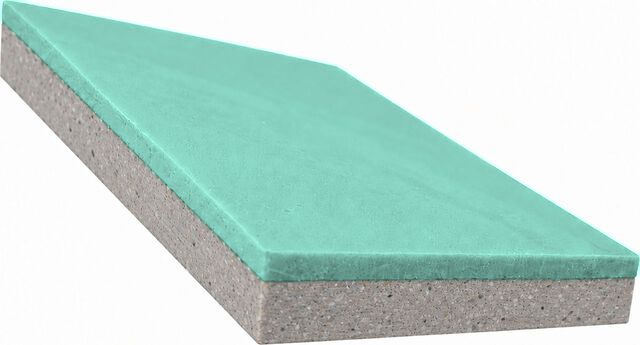
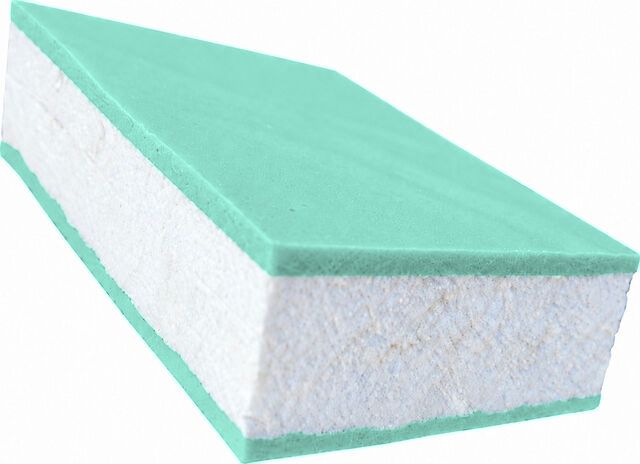
The seafoam polyurea barrier: the finish layer of System 4100 CP and both barrier layers of System 5100 PFP.
The structural foam core of System 5100 PFP, about 1 inch thick.

Certified applicator
Work happens inside the structure. No road cuts, no restoration, minimal traffic control.
Rehabilitated structures return to service with years of added life.
Flexible poly systems ride through freeze/thaw cycles and traffic loading without cracking.
Brick, block, precast, cast-in-place or steel; round, square or irregular; any depth.
Sealed walls, joints and penetrations keep groundwater out of the collection system.
Flow is plugged or bypassed only as long as the work requires.
Surface profile, cure and thickness checks recorded structure by structure.
A ten-year limited warranty from Peak on materials and workmanship, starting from the install date stamped into the liner. Pure Green Shield products also carry the manufacturer's warranty.
Every job starts with the same preparation. The system is chosen by customer preference, project specifications and time sensitivity, and it decides how each structure is rebuilt, sealed and protected.
Customer specifications and time sensitivity play a big part in which system we recommend. Both start with the same site setup and finish with a date stamp.
Set up traffic control and secure the work-zone perimeter around the structure before anything else happens on site.
Confined-space entry setup, then plug or flow-through active lines, with bypass pumping where the flow demands it.
Remove loose and deteriorated material from walls, bench and flow channel.
Blast (typically around 125 psi) to a rough concrete surface profile, CSP 7 or higher, that the mortar can bond to.
Wash at roughly 4,500 psi to remove any particles left on the surface.
Seal infiltration with injected resins. Leaks are stopped, never just plastered over with hydraulic cement.
Treat or replace exposed and corroded rebar.
Hand-trowel or spray structural mortar to restore wall thickness, and rebuild benches and inverts.
Allow the mortar to cure (typically about 48 hours), then pH-test the surface to confirm it's ready for coating.
Run heaters to drive any remaining moisture out of the walls, so the primer goes onto a dry surface.
Apply a moisture-tolerant primer (short cure, roughly 30 minutes).
Spray MHGP 4240 polyurea over the full structure to specified thickness (typically 250 mils or more), then inspect and document.
Stamp the install date into the liner, the start of warranty coverage, then document and restore flow.
From a single failing manhole to a system-wide I&I program.
Manholes, lift stations, wet wells and treatment structures across the collection system.
Aging structures under roadways, fixed with no excavation and minimal traffic control.
Junction boxes, inlets, vaults and culvert ends losing section and soil.
Sanitary sewer and potable water structures that have to stay in service.
Process sumps, pits and secondary containment exposed to chemical attack.
Waterproofing and containment linings for wash-down and production environments.
Specification support and a system recommendation, not a single-product pitch.
Universities, school districts and military installations with private systems.
Headworks, channels, clarifiers and wet wells in severe H₂S service.
Peak Lining mobilizes crews for programs across the country, backed by a regional partner network.
Real structures, rebuilt and lined by our crews.
Peak technicians spraying the seafoam polyurea liner inside a square wet well and a 4 ft manhole, in full protective gear.
Each project below shows the same structure at each stage of the work.
A corroded bench and walls rebuilt with structural mortar, then sealed with seafoam polyurea.
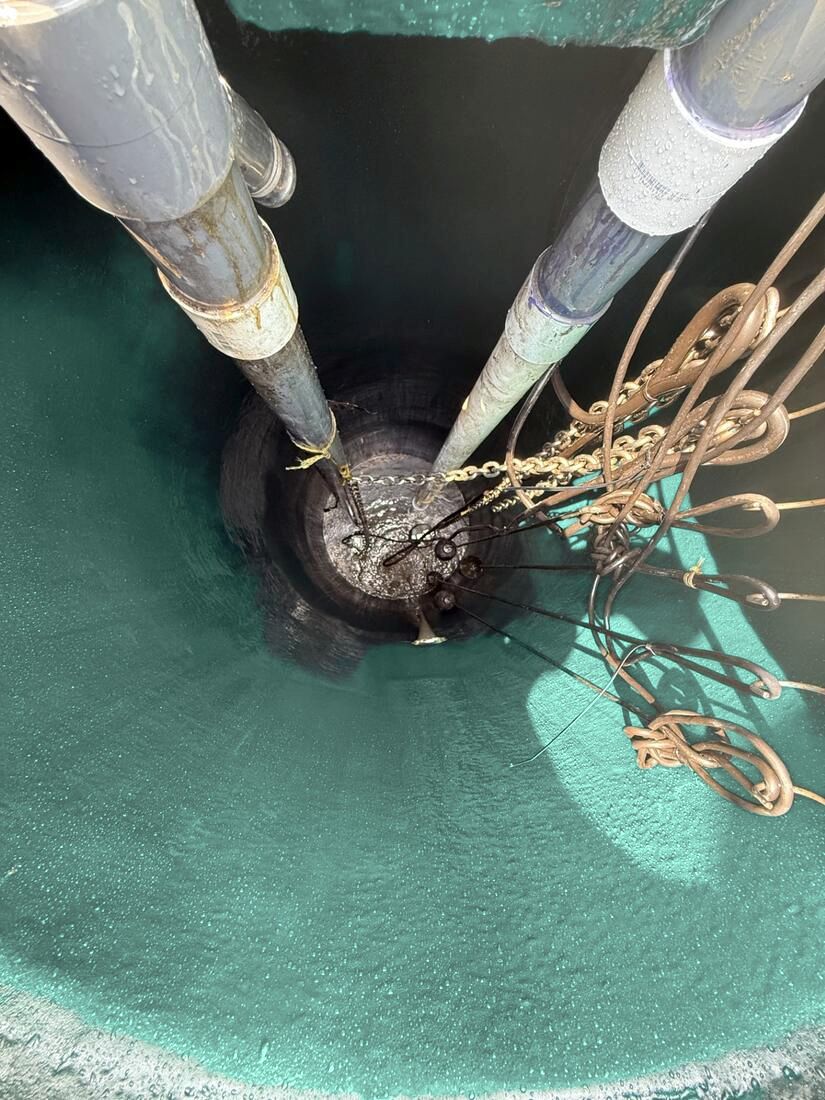
A block structure rebuilt in cement around the pumps, piping and valves, then lined in polyurea.
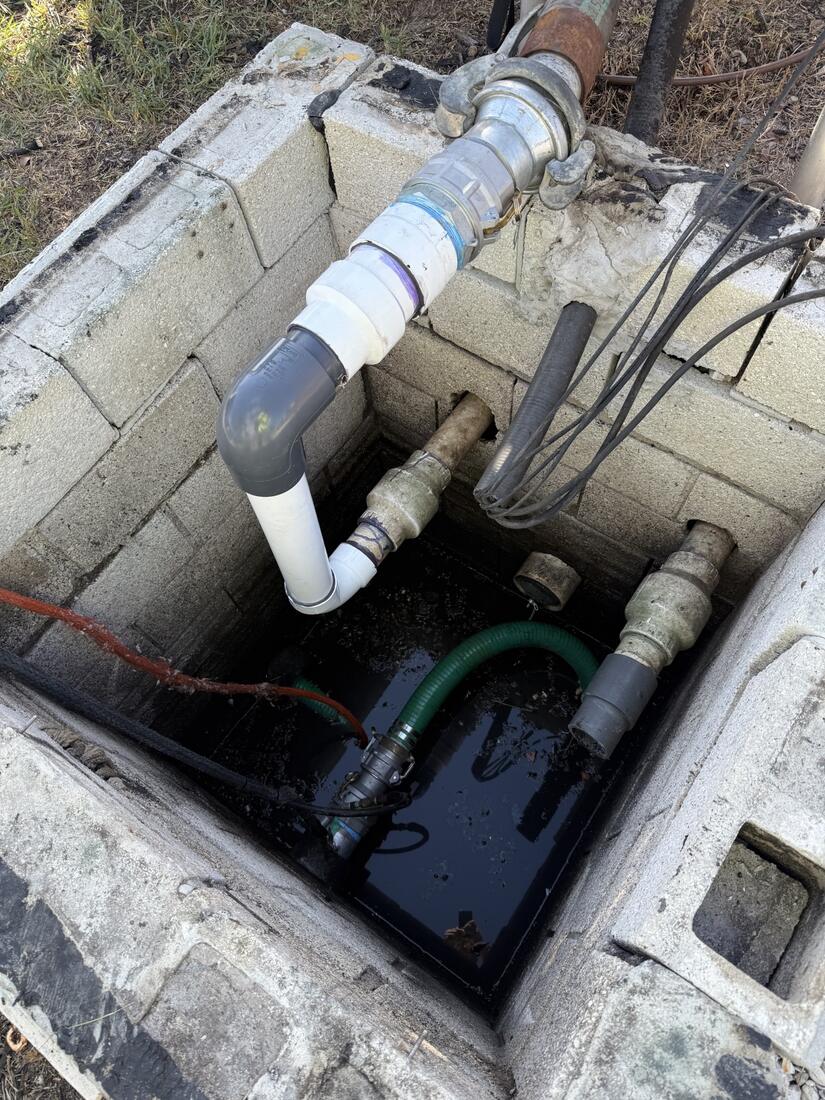
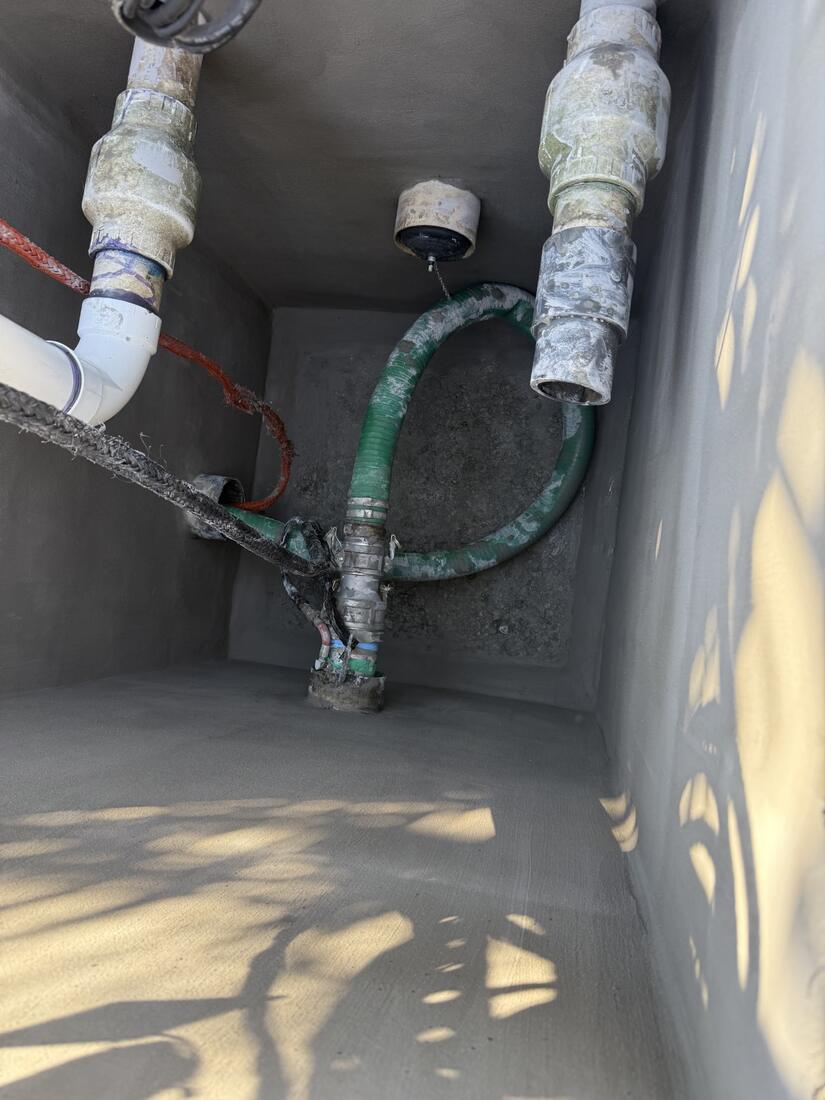
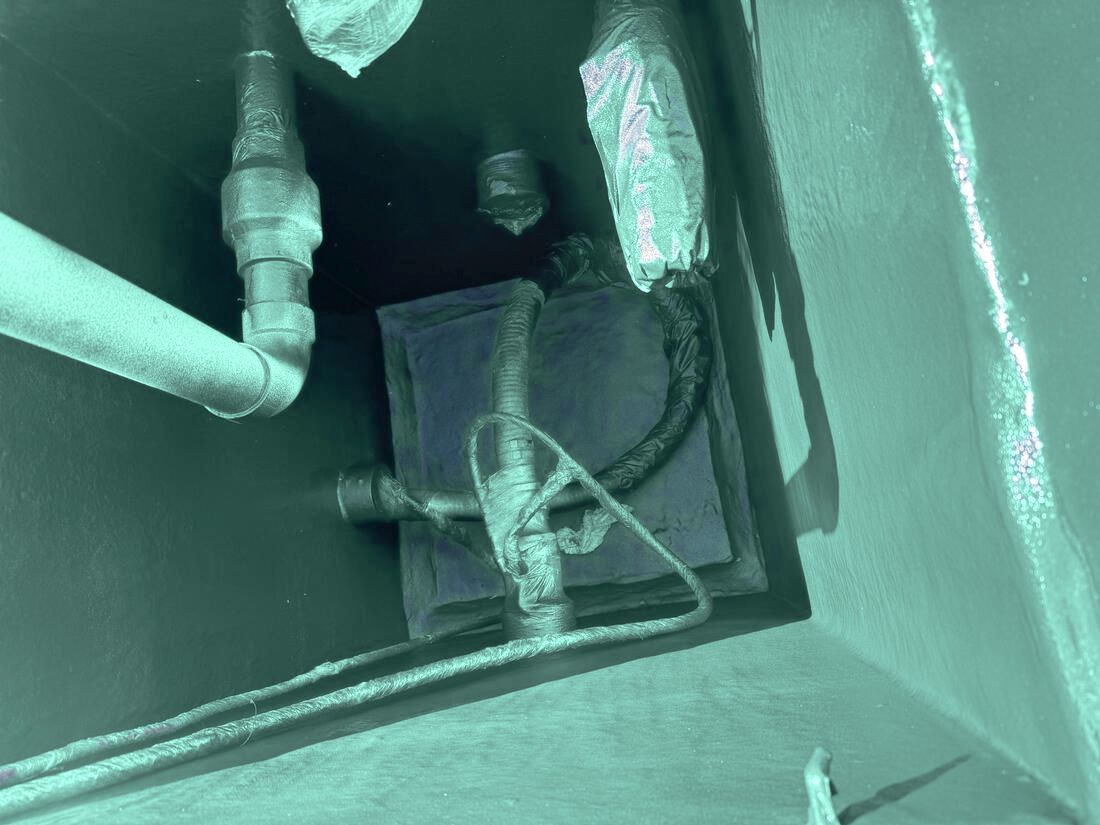
Spin-cast mortar restored the walls before the polyurea liner went on around the pumps, rails and piping.
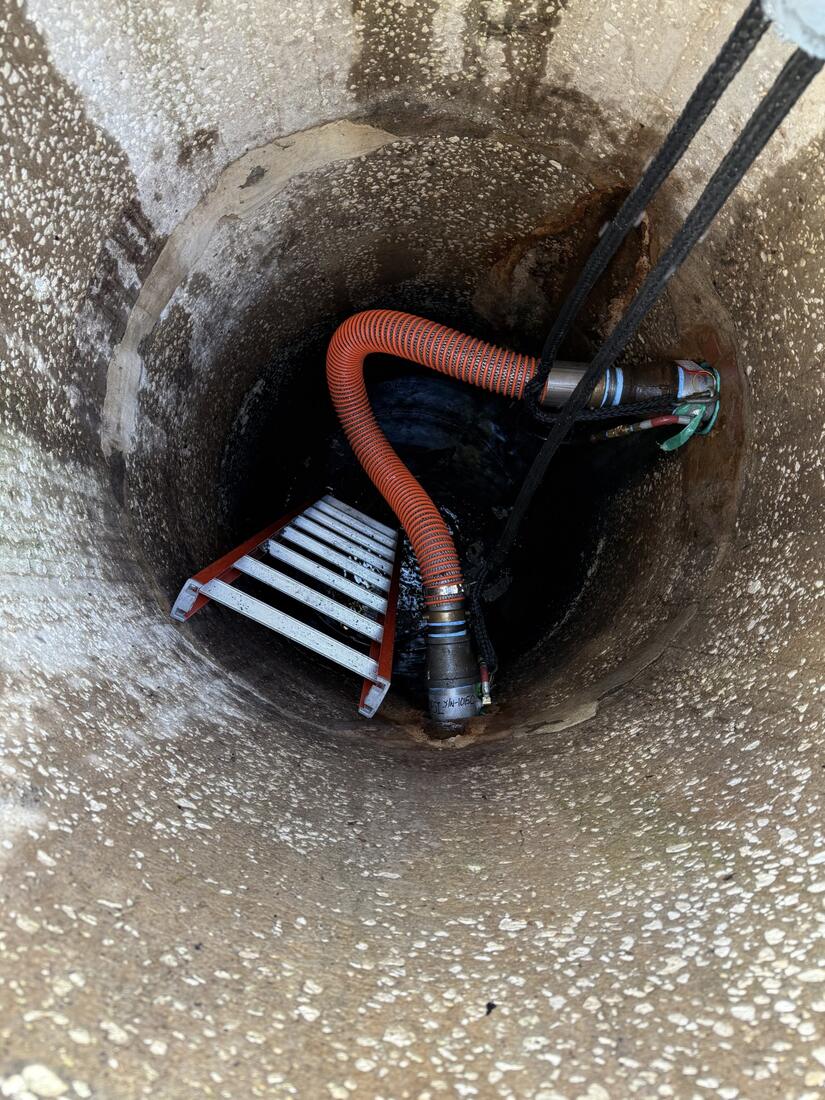
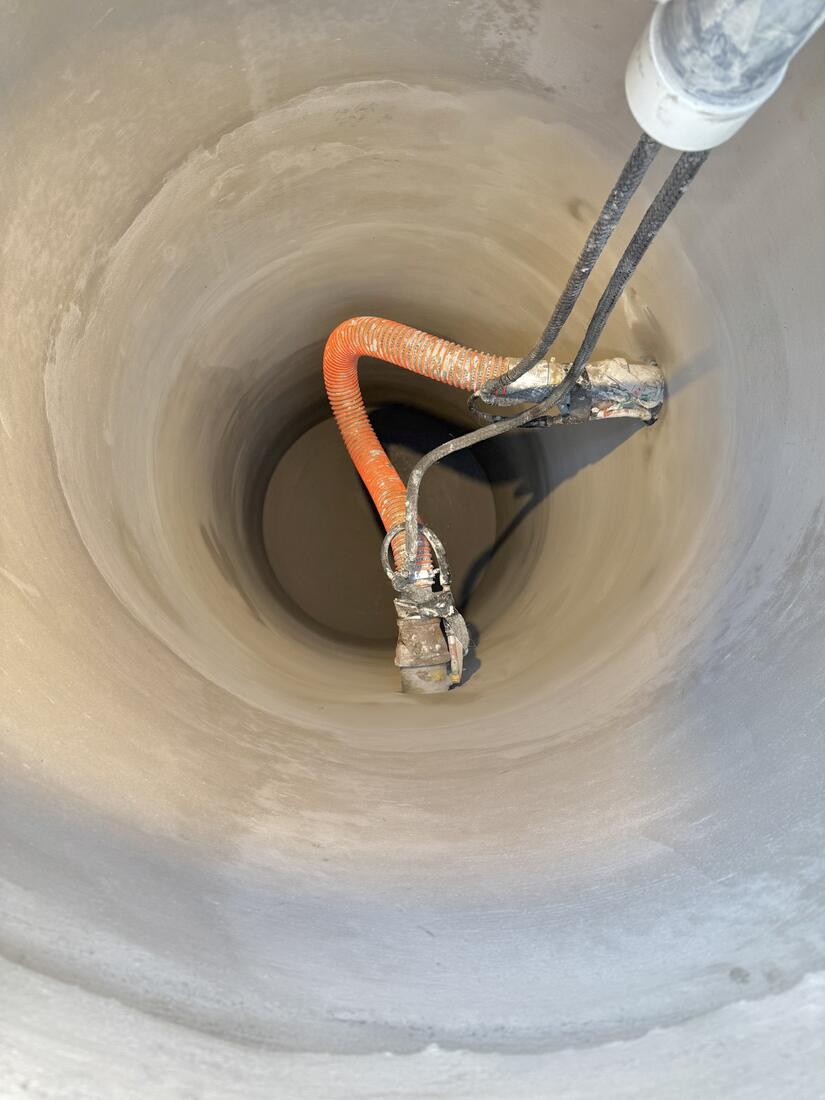
A deteriorated bench, invert and walls rebuilt in structural mortar.
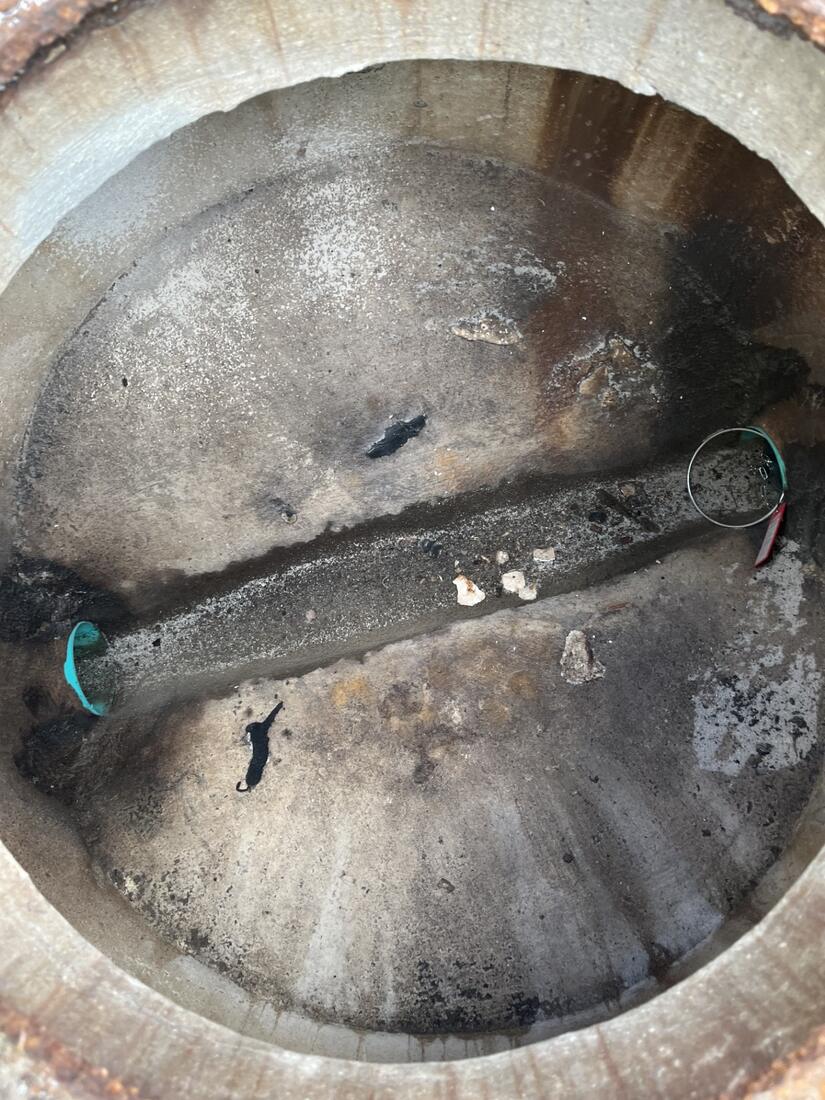
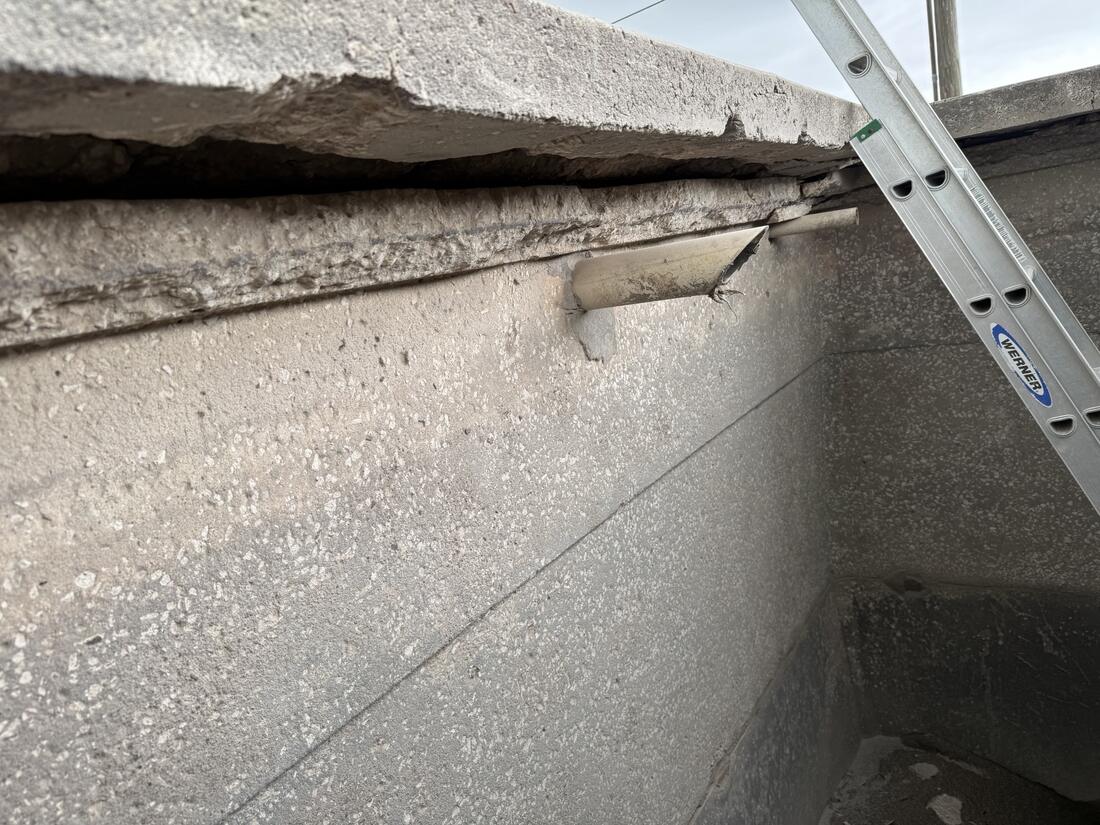
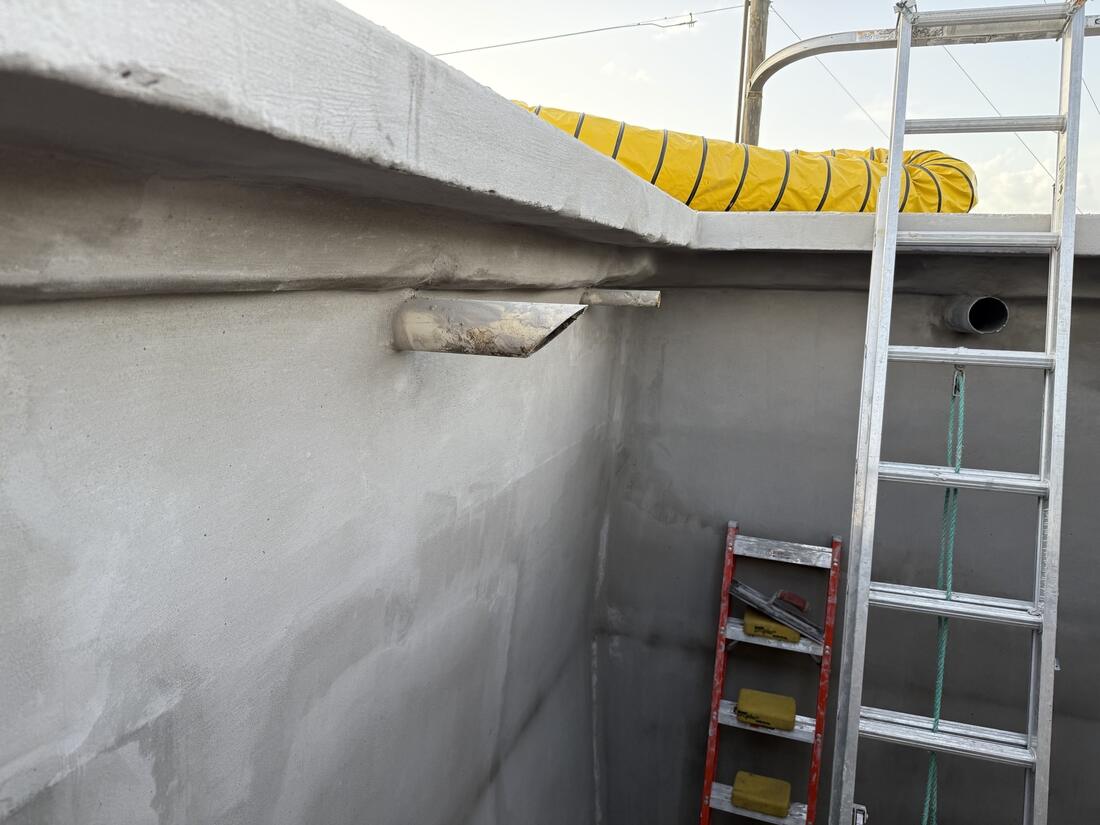
A broken top slab edge and walls restored to full section with structural mortar.
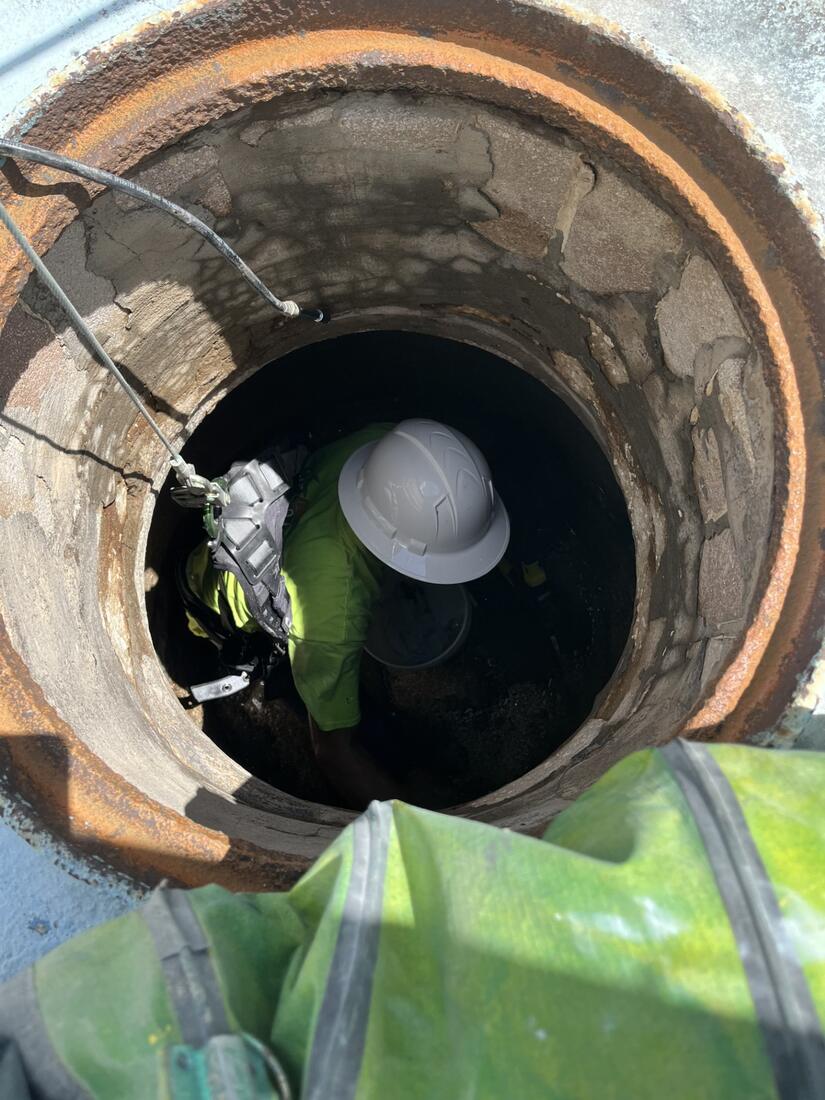
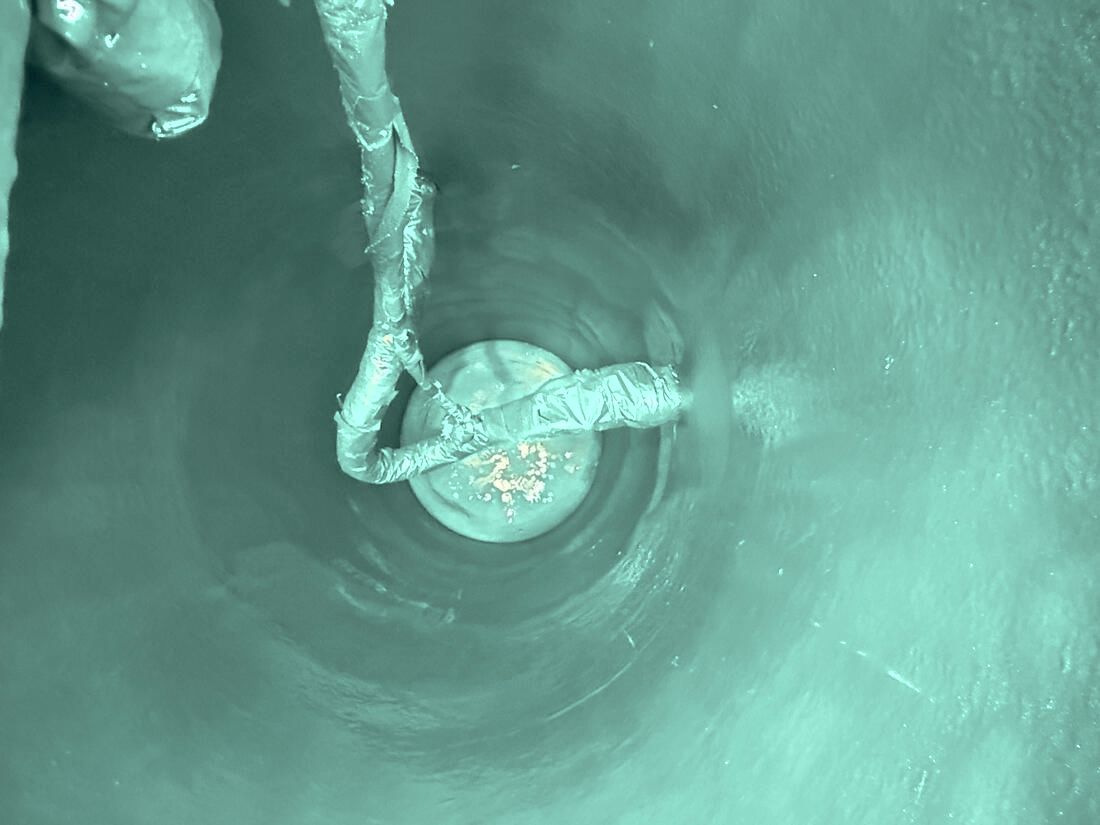
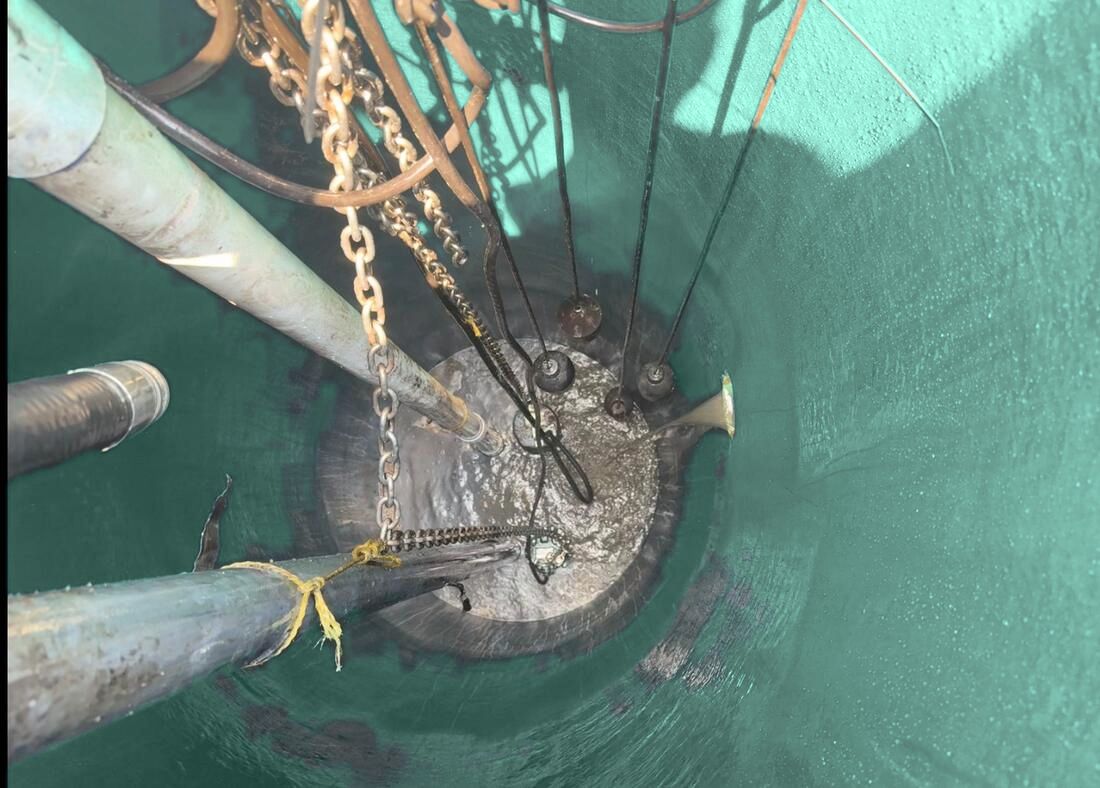
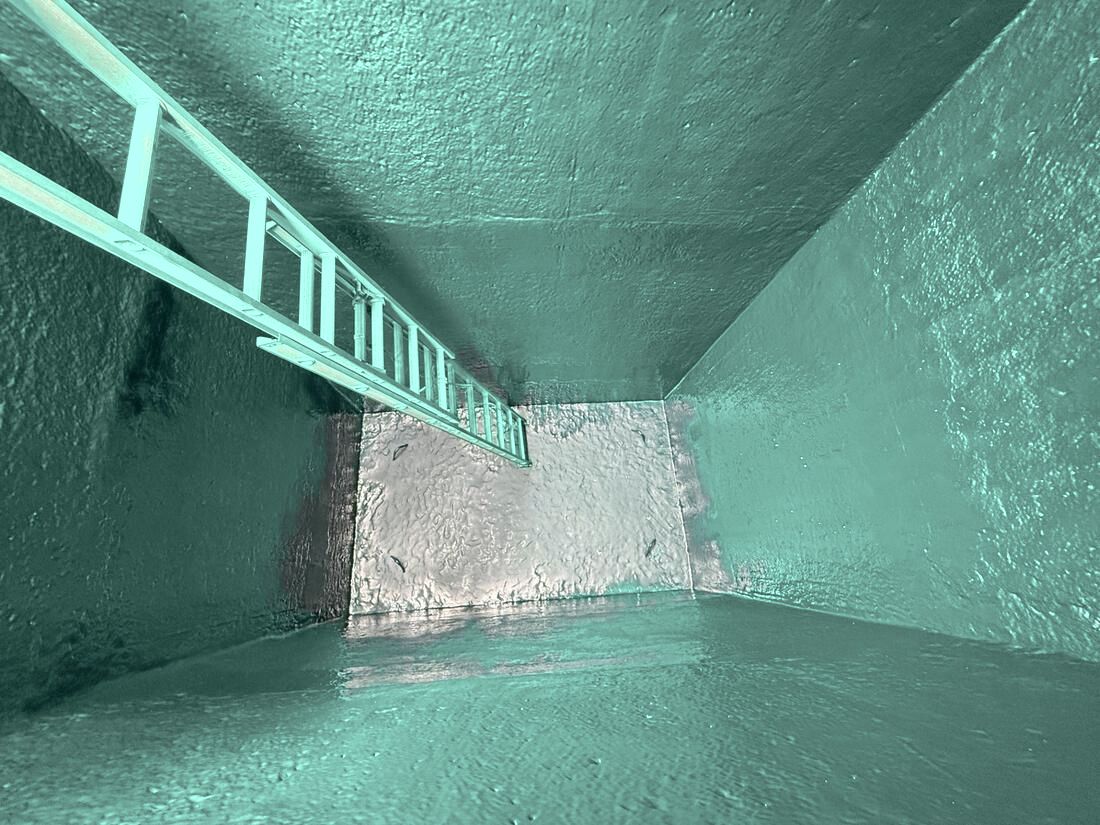
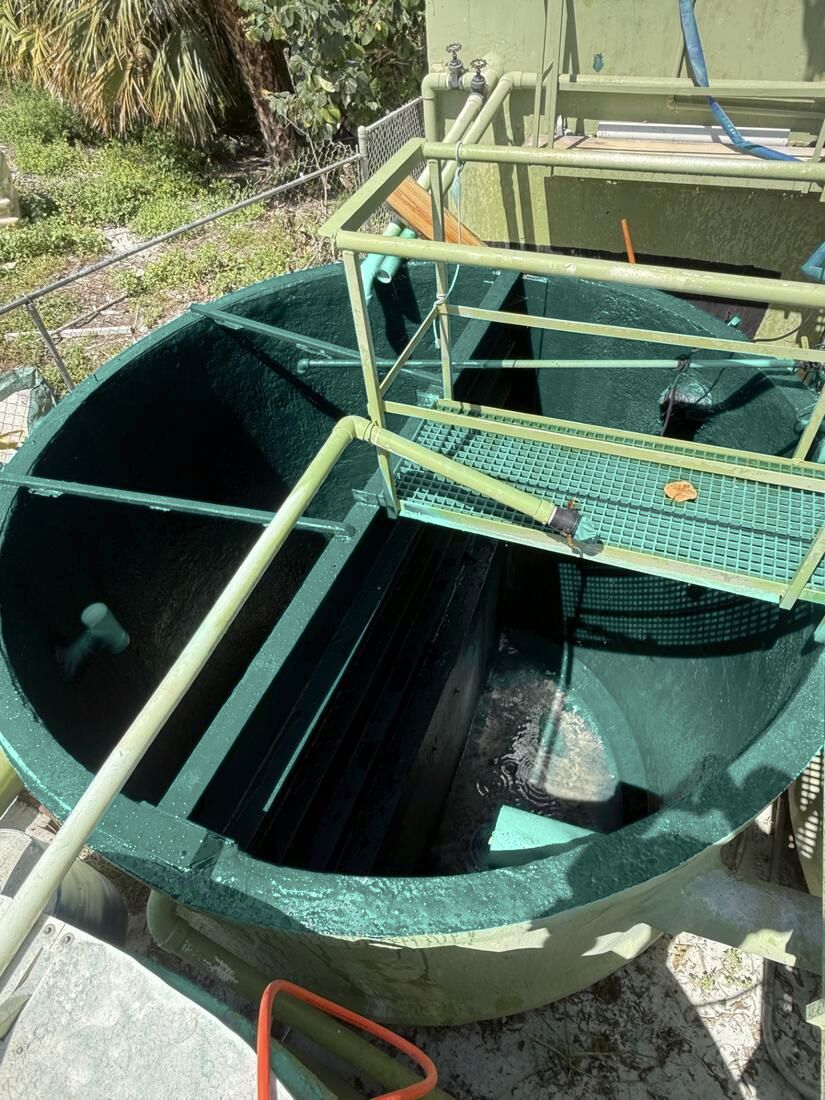
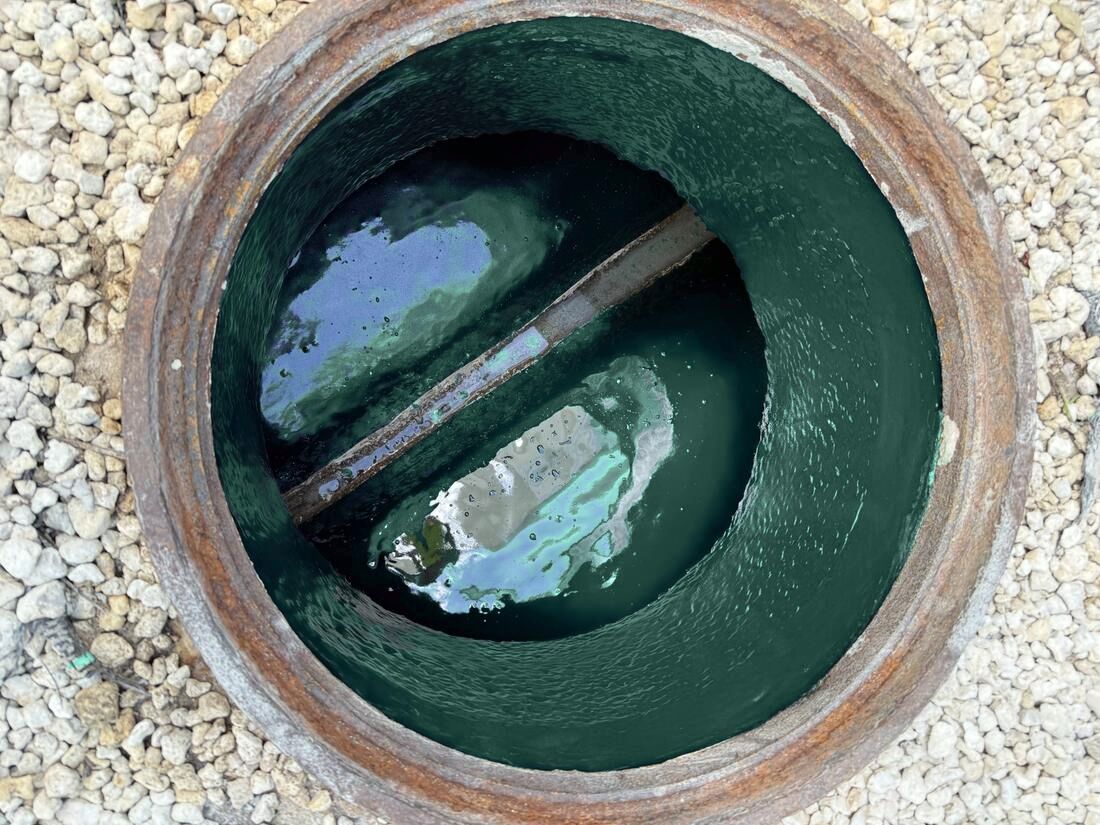
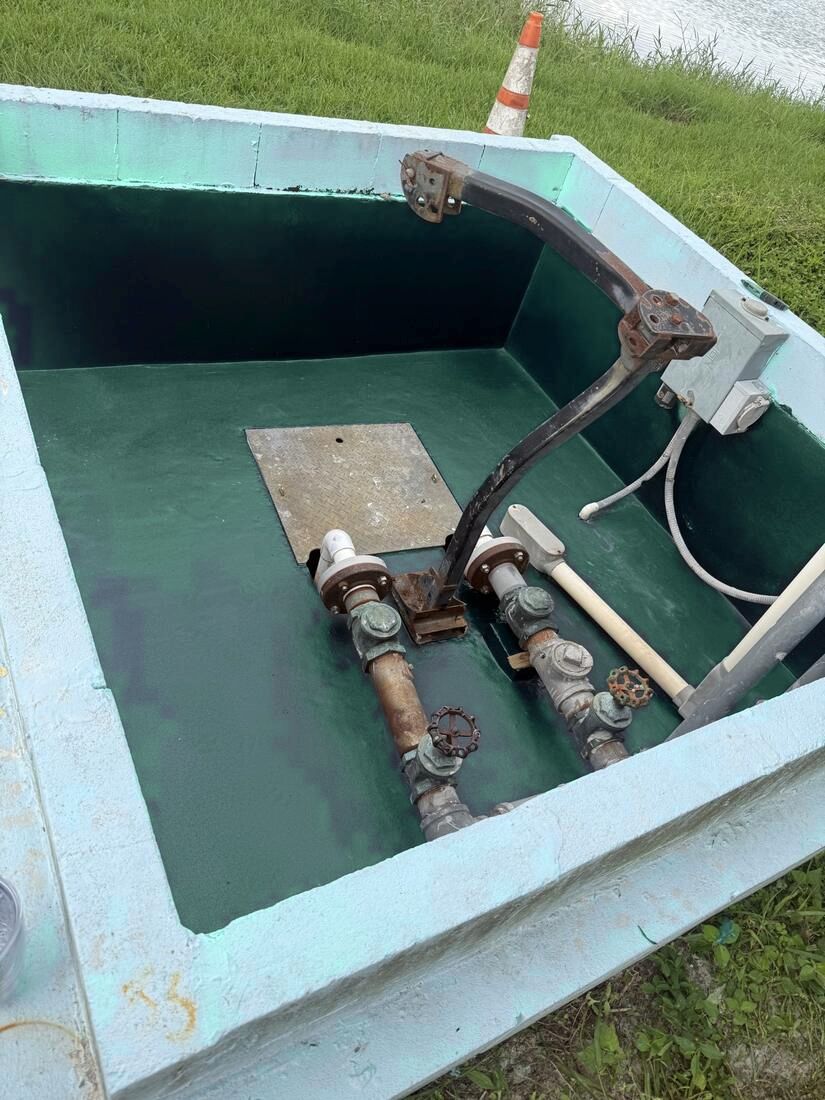
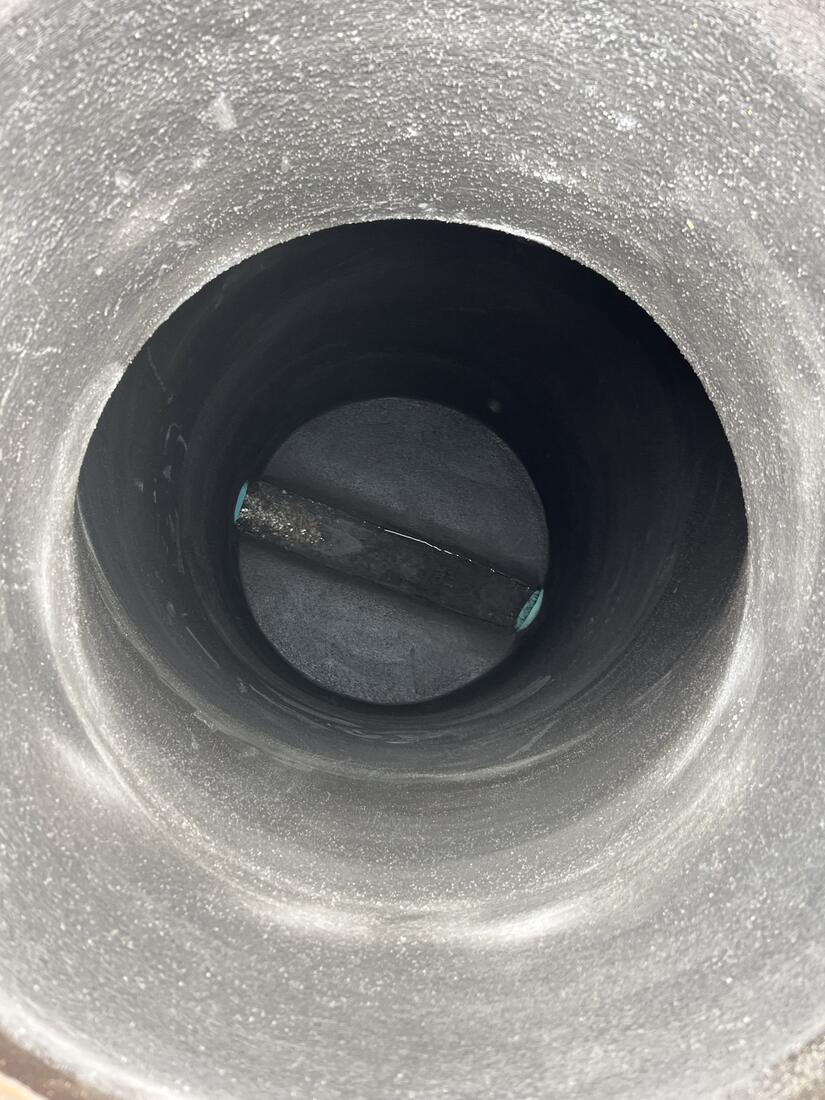
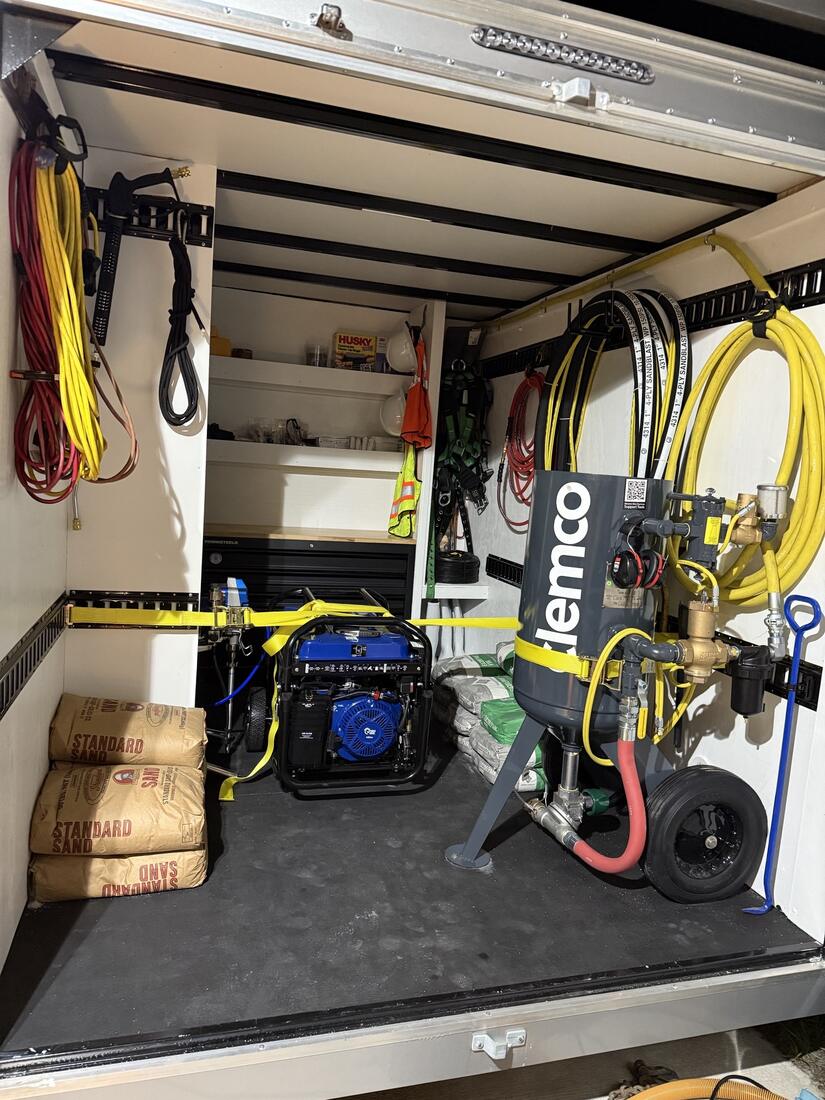
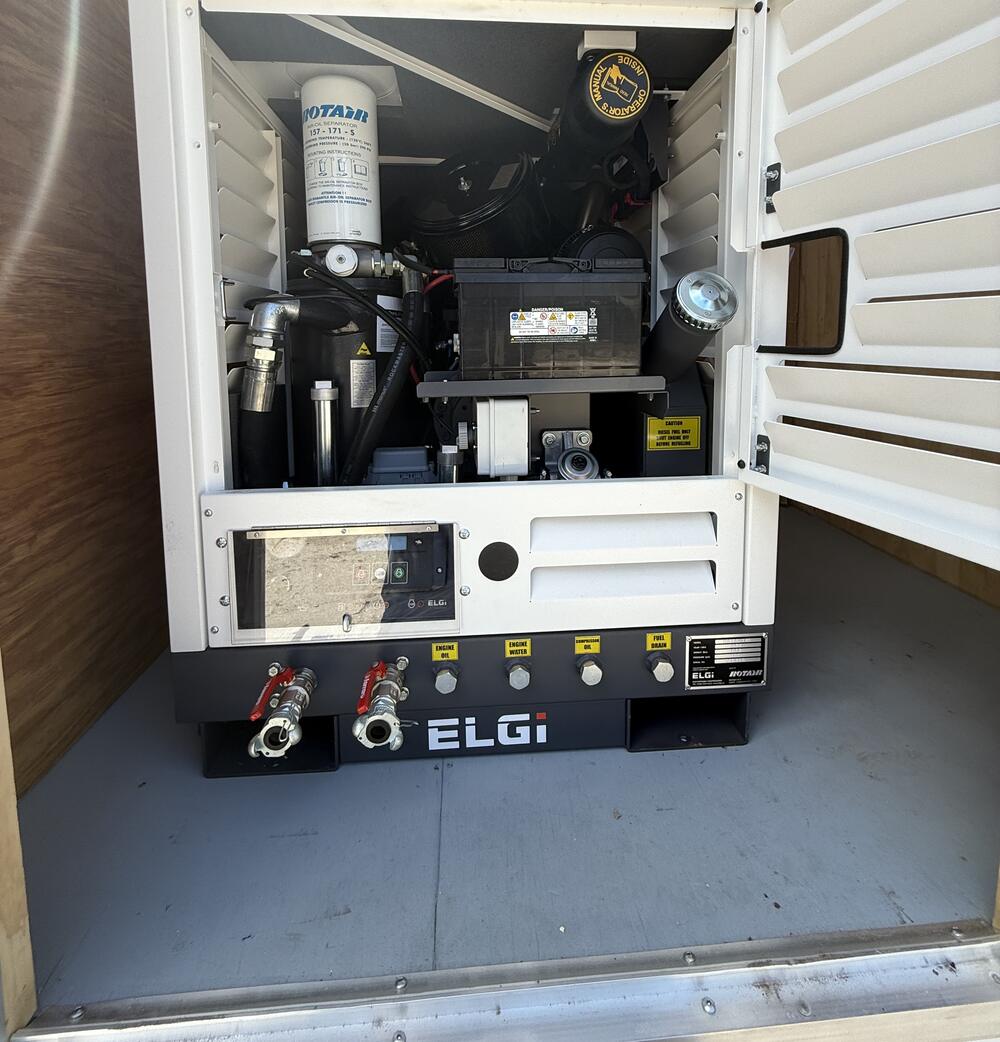
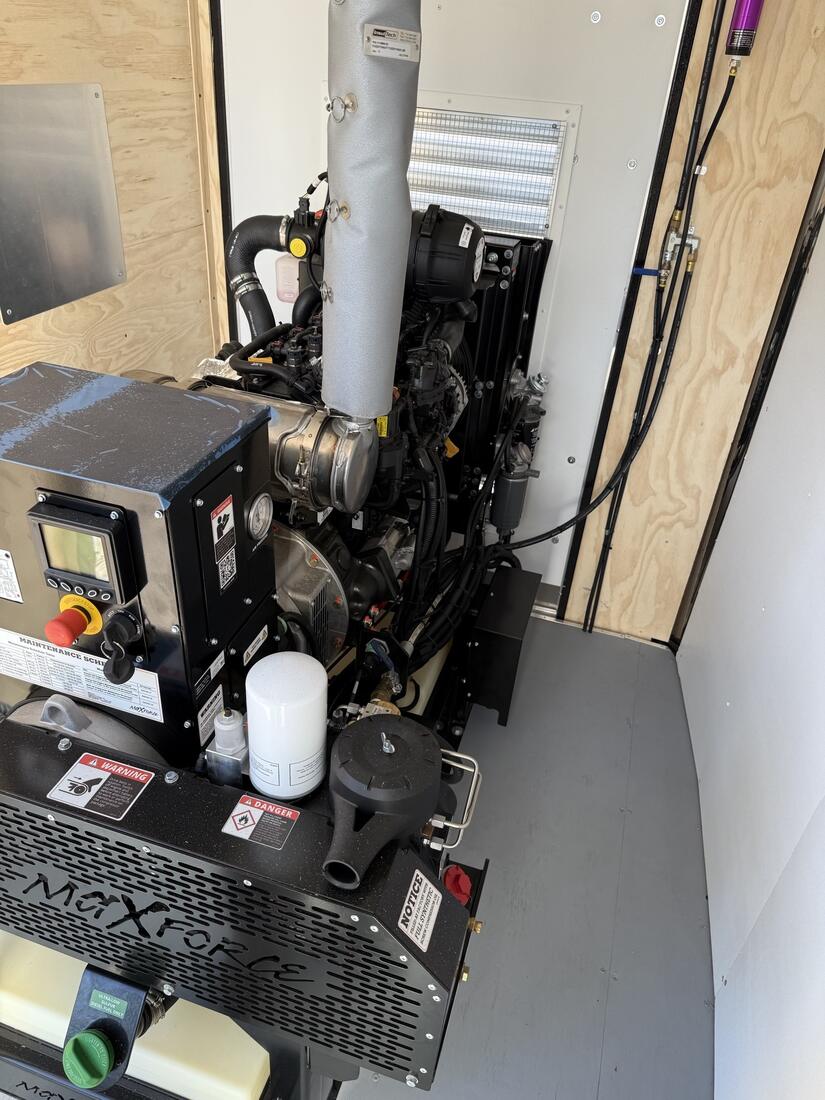
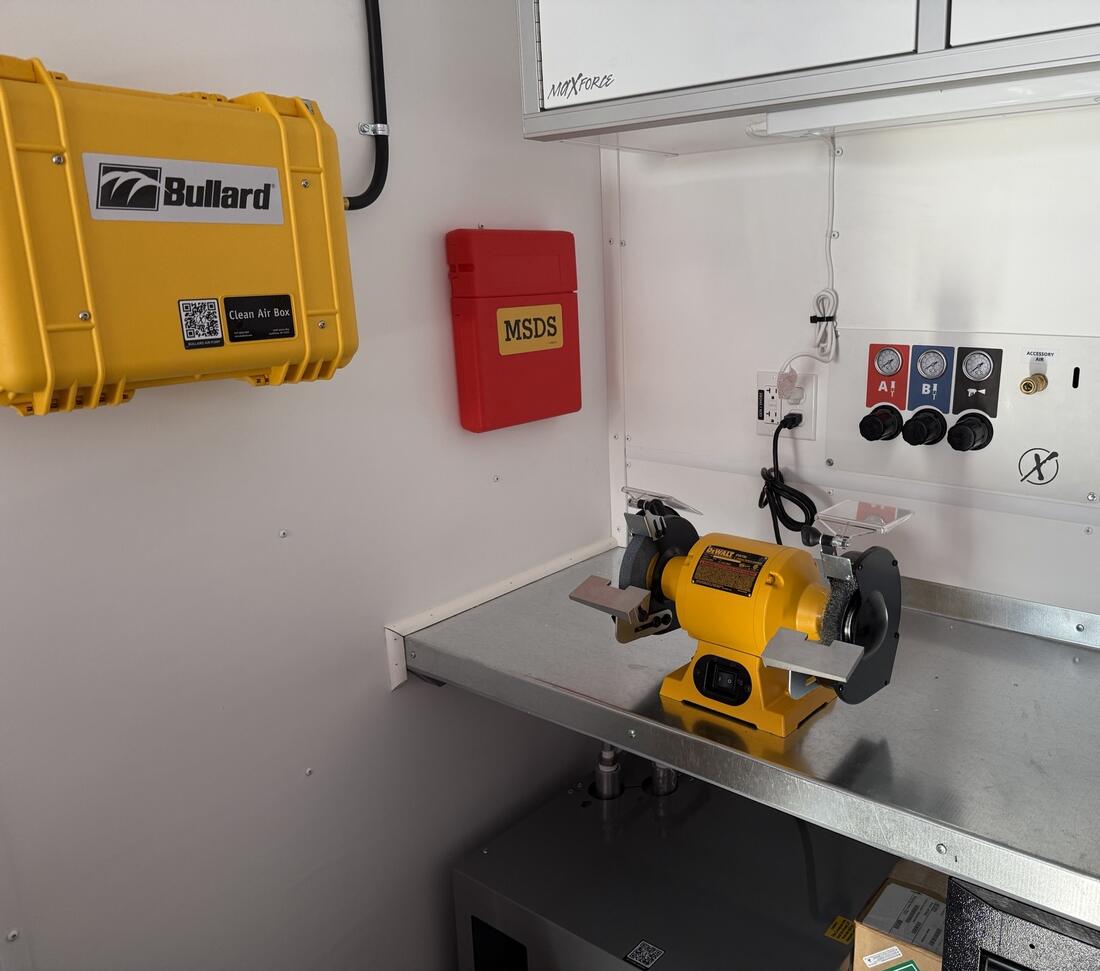
Our self-contained trailer brings compressed air, abrasive blasting, power, wash-down and supplied breathing air to the structure.
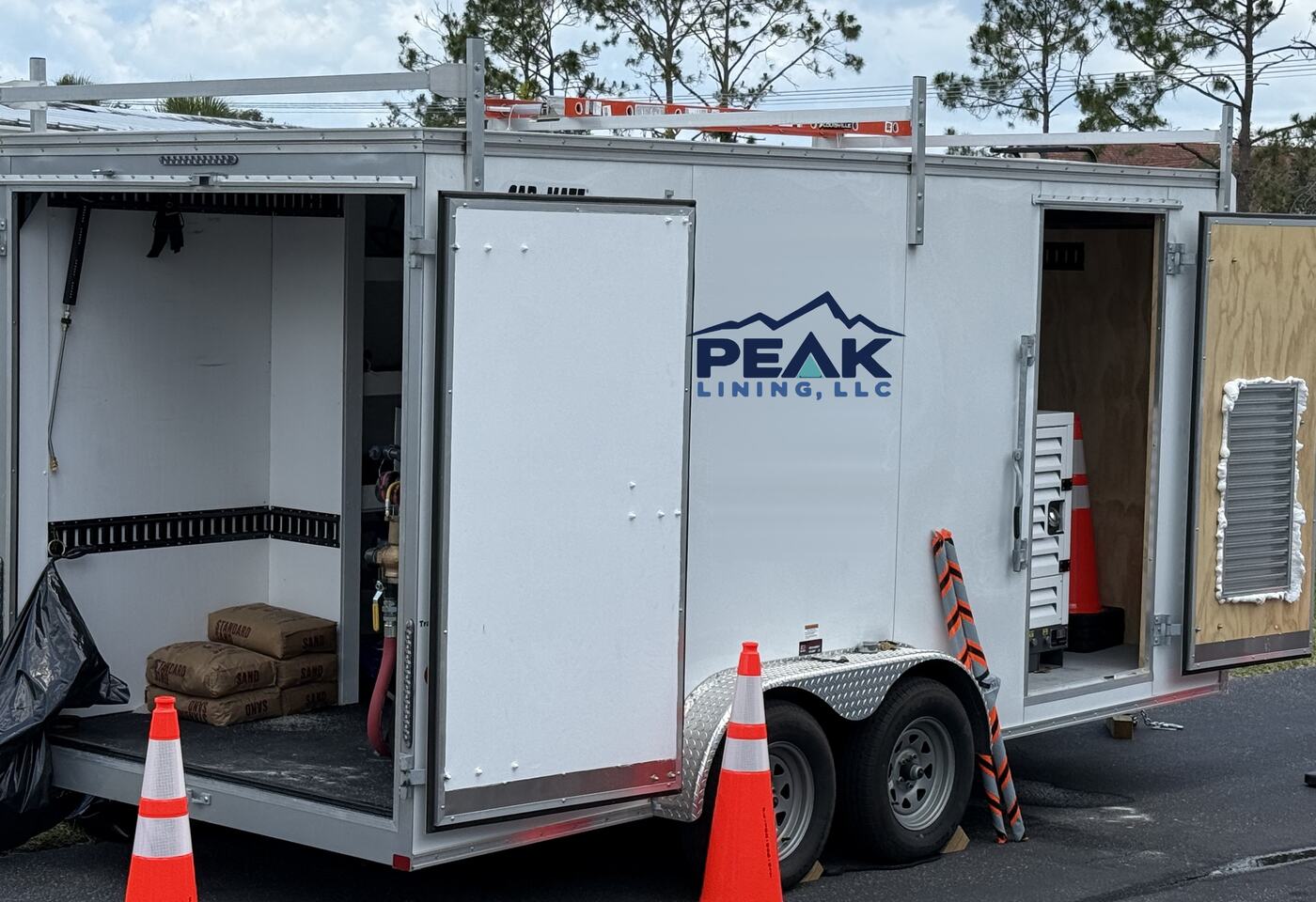
Peak Lining restores aging sewer infrastructure through practical, durable rehabilitation systems, disciplined field execution, and a contractor network supported by reliable products and technical knowledge.
Peak Lining is a specialty infrastructure rehabilitation contractor focused on sewer manholes and the structures around them. We serve municipal utilities, private owners and contractors who need qualified subcontract capacity, from our home base in Southwest Florida.
Two rehabilitation approaches, so no structure gets forced into a single system.
Peak's installation team travels to clients nationwide, with qualified network contractors adding crews when larger programs need them.
No exclusive territory limits where we work or who we serve.
What we learn on every job feeds back into our methods, products and training.
Permit-required entry procedures, continuous air monitoring and rescue plans on every structure, under our written safety and health program.
OSHA 30 and OSHA 10 trained, with fall protection and confined space training, plus ongoing training on equipment, materials and traffic control.
Anyone on site can stop the job if something isn't right, no questions asked.
Surface prep, cure and thickness checked and recorded on every structure, with the install date marked in the liner.
No-dig methods, contained prep water and 100%-solids, low-VOC materials where the system allows.
Minimal disruption to traffic, residents and businesses while we work.
We're growing, and we're looking for people who take pride in doing hard work well and safely.
Field technicians and crew leads for prep, repair and lining. Travel required, training provided, room to grow into new trenchless methods.
Project management, estimating, safety and business development across multi-site programs.
Send us what you know. We'll come back with a recommended system and a clear quote.
We use cookies to understand how the site is used and to improve it. You can accept all, or keep only the ones the site needs to work.